Holi Festival Clothes: Style & Care 2026

Holi Festival Clothes: Style & Care 2026 - Lucknow Threads

You’re probably doing the same Holi wardrobe maths most of us do in Canada. You want something festive, flattering, and photo-ready, but you also don’t want to ruin a good outfit the second the first handful of gulal lands on it. So the fallback becomes an old tee, worn leggings, and that slightly resigned feeling that style has to sit this one out.

It doesn’t have to. The best holi festival clothes can be beautiful, breathable, and reusable if you choose the right fabric, prep it properly, and clean it with care afterwards. That’s especially true for Chikankari, which looks delicate but can be surprisingly practical when you understand what works, what doesn’t, and how to handle the full lifecycle of the garment from selection to stain removal.

Table of Contents

The End of 'Old Clothes' for Holi

The old-clothes ritual has been around for years. Someone in the family always says, “Just wear something you don’t care about,” and suddenly Holi becomes the only celebration where you’re expected to look deliberately thrown together. That advice made sense when the goal was pure convenience. It makes less sense now, especially when so many diaspora celebrations in Canada have become full-day social events with photos, lunch, music, and family meetups afterwards.

A young boy holds a stained white t-shirt after celebrating the Holi festival next to clean clothes.

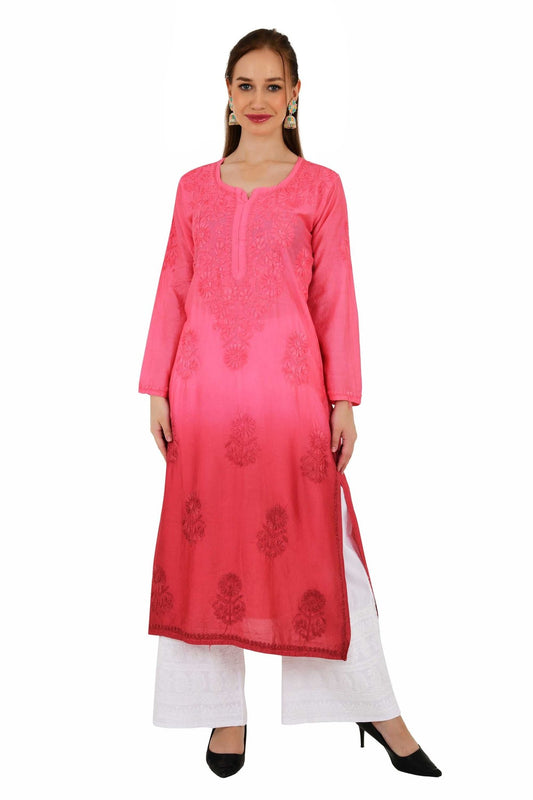
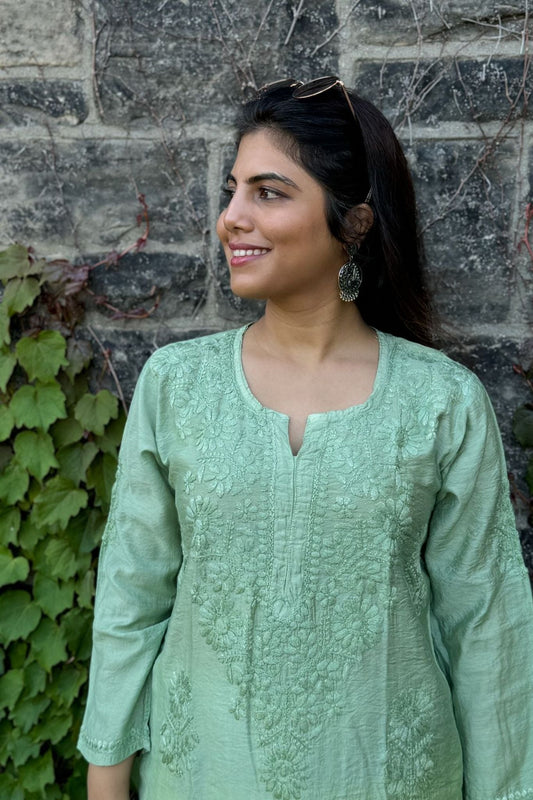
A better approach is to stop treating Holi clothes as disposable and start treating them as chosen. A soft embroidered kurti, a clean co-ord, or a light pastel set gives you the same freedom to celebrate, but it also lets you feel polished and culturally grounded. Chikankari works especially well because it already carries that airy, spring-ready ease Holi needs.

That shift also changes how you think about the day. Instead of sacrificing an outfit, you build one with intent. The silhouette matters. The fabric matters. Even the embroidery placement matters.

Practical rule: If a garment only makes sense for one messy day, it probably isn’t the best investment. The strongest Holi wardrobe pieces are the ones you can wear again for brunch, temple, dinner, or work with different styling.

There’s also a cultural pleasure in choosing something rooted in craft rather than convenience. Chikankari has always had a softness to it that suits celebration without shouting for attention. If you want a deeper feel for that workmanship, this heritage guide to Lucknow Chikankari is worth reading before you shop.

Why the old-Holiday-uniform approach falls short

  • It rarely feels good to wear: Old tees often cling, stretch out, or turn transparent once wet.
  • It doesn’t photograph well: Holi colour looks best against crisp, intentional clothing.
  • It turns style into an afterthought: A festival built around colour deserves more than a backup outfit.
  • It creates waste: Reusable, well-chosen pieces make more sense than disposable dressing.

The point isn’t to wear your most precious garment into a colour fight without a plan. The point is that you don’t need to choose between elegance and practicality. With the right holi festival clothes, you can have both.

Choosing the Perfect Chikankari Canvas

White remains the classic Holi choice for a reason. It lets every shade of gulal register clearly, and it carries the symbolism people still connect with the festival. In Canada’s South Asian diaspora communities, white chikankari kurtas have grown in popularity for Holi, and at major events in Toronto and Vancouver, an estimated 70% of attendees opt for breathable white cotton or linen because they work well in spring weather and make post-Holi cleaning easier, as noted in this report on why people wear white on Holi.

But colour alone isn’t the decision. Fabric is the ultimate deal-breaker.

Start with breathability

A Holi outfit has to handle movement, moisture, crowd heat, and occasional layering for Canadian weather. That’s why airy blends usually outperform stiff or heavy fabrics. Modal cotton and rayon tend to drape better, feel lighter on the body, and stay more comfortable through a long event than thick synthetic blends.

If I’m helping someone choose holi festival clothes, I usually sort options into three simple buckets:

Fabric direction What works well What usually goes wrong
Modal cotton blends Light feel, easy movement, comfortable for long wear Can need a slip or careful layering when wet
Rayon-based Chikankari Soft drape, elegant finish, easy to style up or down Not ideal if the cut is too fitted
Heavy synthetics or dense fabrics Can look structured at first Trap heat, feel sticky, and often look harsher once colours hit

White, ivory, or pastel

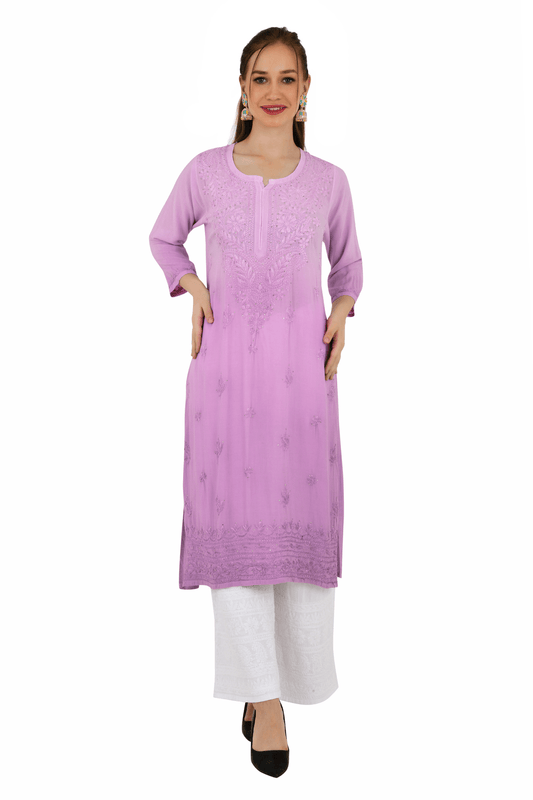
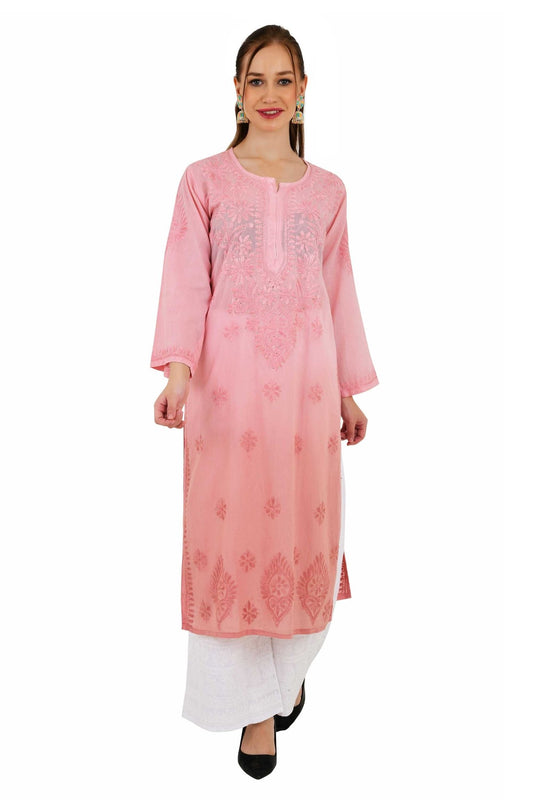
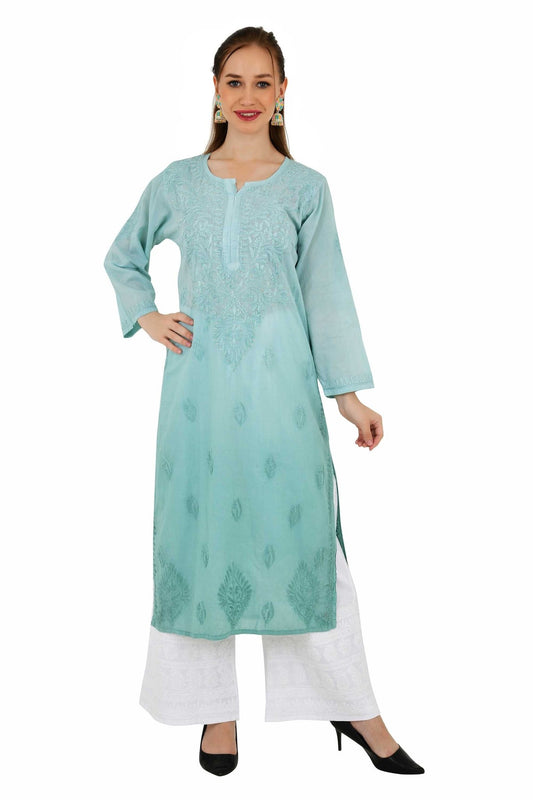
White is traditional, but it isn’t your only option. Pale mint, soft lavender, blush, and other washed-out pastels can still give you that fresh Holi look while feeling a bit more modern. The key is keeping the base light enough that the outfit still feels festive rather than formal.

A good Holi base colour should make room for colour, not compete with it.

That’s why delicate Chikankari works so well. The embroidery adds texture and detail, but the garment still reads as effortless. You get visual interest before the celebration starts, and once the colours land, the outfit develops that layered Holi look people love in photos.

What to check before you buy

Look at the practical details, not just the product shot.

  • Check the weight of the fabric: You want something that feels light in hand and won’t drag once damp.
  • Look at embroidery coverage: Subtle or moderate embroidery is easier to manage than densely worked panels.
  • Notice the cut: Straight kurtis, relaxed co-ords, and easy short kurtis usually outperform clingy silhouettes during active celebrations.
  • Plan for layering: A breathable base matters even more if you’re adding a vest, scarf, or jacket for the trip there and back.

For anyone comparing natural-looking fabrics, this muslin versus linen guide helps clarify texture, structure, and day-to-day wear.

A good Chikankari Holi outfit should feel light before the first colour throw. If it already feels fussy on the hanger, it won’t get better once the day gets loud.

Styling Your Look for Different Holi Events

Not every Holi invite asks for the same outfit. A public colour festival in an open square, a family lunch at someone’s home, and a DJ-led evening event all need different versions of “practical.” That’s where a lot of people get stuck. They choose one generic look and hope it works everywhere.

The smarter move is to style for the setting. That’s also why reusable Chikankari makes sense. In Canadian Holi celebrations, chikankari co-ord sets in light pastels are a modern evolution of traditional white wear, with participation rates reaching 65% among diaspora youth, and e-commerce sales of festival attire rose 55% year over year across Canada in 2024, linked to the move away from disposable “old clothes” toward reusable options, according to this coverage of Holi 2026 outfit ideas.

An infographic titled Holi Outfit Planner showing four clothing style recommendations for different types of Holi celebrations.

For a big outdoor colour festival

This is the highest-friction Holi environment. You need movement, washability, and a bit of weather sense.

A short Chikankari kurti with jeans or straight-cut trousers works well here. Keep the bottom practical, especially if the ground gets muddy or slushy. Waterproof boots or washable trainers make more sense than sandals at large Canadian gatherings.

Choose:

  • A shorter hemline: It stays out of puddles and gives you easier movement.
  • Minimal jewellery: Small studs are enough. Large earrings and stacked bangles become annoying fast.
  • A removable outer layer: A simple vest or easy jacket works for arrival, then comes off before the colour play starts.

For a family lunch or temple-adjacent gathering

White-on-white looks beautiful. A Chikankari co-ord set or an embroidered kurti with relaxed trousers feels polished without being overdressed. You can still expect some colour, but the pace is usually calmer and the styling can be more refined.

Try this combination:

  • a white or ivory kurti
  • matching or soft-contrast bottoms
  • silver jhumkas or a slim bangle
  • flat juttis or clean loafers for a more put-together finish

Don’t dress for the wildest version of Holi if your event is really a lunch with colours on the side. Match the energy of the gathering.

For an evening party or DJ event

Evening Holi tends to be more styled. You still want comfort, but the look can be sharper. For this, pastel Chikankari shines. Soft lavender, mint, or blush reads modern, especially under event lighting.

Pair a pastel kurti with white palazzos or straight pants. Keep makeup light and fresh because colour and water will do their own thing anyway. If you want a dupatta, choose one you can drape once and forget rather than constantly readjust.

A simple comparison helps:

Event type Best outfit direction Best footwear
Outdoor public event Short kurti with jeans or easy trousers Waterproof boots or washable trainers
Family Holi lunch White or ivory co-ord, soft embroidery Flats, juttis, or loafers
Evening party Pastel kurti with palazzos or straight pants Comfortable low heels or polished flats

For kids’ events and casual playdates

If you’re chasing children, carrying snacks, or helping with colour packets, your outfit needs to work harder than it looks. A simple kurti and ankle-length bottoms are often better than a flowing set. Keep sleeves easy, avoid anything that catches, and tie hair back.

If you want more ideas for proportion, styling balance, and silhouette, this guide to choosing and styling the perfect Chikankari kurti is useful.

The best Holi styling isn’t about dressing down. It’s about dressing accurately for the version of Holi you’re attending.

Protecting Your Garment Before the Colours Fly

A lot of stain panic starts before the festival even begins. That’s understandable. A survey of 5,000 South Asian diaspora women in Canada found that 40% avoid wearing premium garments like Chikankari for Holi due to staining fears, even though simple pre-care steps can make a real difference, according to this discussion of what to wear on Holi.

A person sprays water onto a white embroidered garment to prepare it for Holi festival stain removal.

The most useful mindset shift is this. Protection starts before you step out the door. If you prep well, you won’t spend the entire event worrying about every splash.

Prep your skin and hair first

The garment matters, but your skin and hair need attention too. Oil is one of the oldest and most practical Holi habits for a reason. A light layer on exposed skin and through the lengths of your hair helps colour release more easily later.

Keep it simple:

  • Use a light oil on skin: Coconut or almond oil works well if your skin tolerates it.
  • Work oil through hair lengths: Focus on ends and the hairline, where colour tends to cling.
  • Skip heavy body products with strong fragrance: They can feel sticky once powder and water mix.

Set up the outfit properly

Don’t over-engineer this part. Delicate embroidery doesn’t need rough pre-treatment at home. It needs calm, basic preparation.

A few things help:

  • Choose a slip or inner layer if needed: Some lighter fabrics become more transparent when wet.
  • Avoid heavy dupattas for active events: They shift, drag, and catch colour unevenly.
  • Keep metal accessories minimal: Tarnish and staining are both annoying to fix.

This quick visual gives a useful reminder before you head out.

Protect the rest of your essentials

Your outfit shouldn’t carry the entire mental load of the day. Holi is easier when your practical details are handled in advance.

Pack for recovery, not just for the event. A small pouch with sunglasses, tissues, lip balm, and a backup hair tie saves more stress than an extra accessory ever will.

Use this checklist before leaving:

  • Phone protection: Put your phone in a waterproof pouch.
  • Footwear logic: Wear shoes you can wash and walk in comfortably.
  • Travel layer: Bring an outer layer you don’t mind getting marked if you’re commuting home in colour.
  • Post-event bag: Carry a tote for wet items, spare socks, or a light change of clothes.

The goal isn’t to shield the outfit from every trace of Holi. That would miss the point. The goal is to lower colour adhesion, reduce avoidable damage, and give yourself the confidence to enjoy the day without treating your clothes like a fragile emergency.

The Post-Holi Cleaning and Stain Removal Guide

Once you get home, don’t throw your kurti in a laundry pile and hope for the best. Holi colour responds better to a calm, early cleaning routine than to aggressive scrubbing later. That matters even more with embroidered fabrics, where rough handling can do more harm than the stain itself.

A person cleaning colorful Holi powder stains from a white embroidered kurta using a damp cloth.

There’s good news here. With the right method, stain removal can be very successful. Pre-treatment with bio-enzyme finishes can reduce colour adhesion by 75%, and tests show up to 95% stain removal in one cold wash cycle for treated fabrics compared with 45% for untreated ones, according to this Holi dress care and fabric performance overview.

Step one is dry removal

Before water touches the garment, remove as much loose powder as possible. Shake it out gently outdoors or over a sink. If needed, use a very soft dry cloth to lift surface colour without grinding it deeper into the fibres.

Don’t do this:

  • rub the stained area with force
  • bunch the garment into a ball
  • leave damp colour sitting for hours

Cold water only

Hot water is the easiest way to set colour. Use cold water from the start, even if you’re tempted to “wash it out properly” with warmth.

A practical order looks like this:

  1. Shake off dry powder first
  2. Rinse in cold water
  3. Soak gently if needed
  4. Use a mild detergent
  5. Rinse again and air-dry

How to soak without damaging embroidery

If the garment still holds visible colour, soak it gently in cold water. Keep the basin clean and avoid overcrowding. Let the fabric relax in the water rather than attacking the stain immediately.

The cleaning goal is release, not force. Chikankari responds better to patience than friction.

Use your hands to move water through the fabric softly. Pay special attention to embroidered sections, but don’t scrub them. The threads need support, not pressure.

Washing details that actually matter

A mild detergent is enough for most post-Holi cleaning. Choose something gentle and avoid bleach-heavy formulas unless the care label explicitly supports them. Even then, embroidered pieces usually do better with milder handling.

A few trade-offs to remember:

Cleaning choice Better option Worse option
Water temperature Cold Hot
Stain handling Gentle pressing and soaking Hard rubbing
Drying Shade air-dry Direct harsh sun at first
Fabric care Mild detergent Strong chemicals without testing

If you’ve invested in hand-embroidered pieces, it’s worth understanding how those details behave over time. This guide to Chikan embroidery kurtis gives a good grounding in what makes them different from ordinary festival wear.

Drying and storing after the wash

Air-drying is usually safest. Lay the garment flat or hang it carefully in the shade, making sure embroidered areas aren’t stretched by water weight. Don’t wring it out. Press excess water gently in a towel if needed.

Once dry, inspect the piece before storing it. If a faint tint remains, repeat a gentle cold-water wash instead of jumping straight to harsh remedies. A second patient wash is often better than one dramatic mistake.

That’s the secret to reusable holi festival clothes. Not magic. Just timing, restraint, and the right sequence.

Gifting and Shopping for Timeless Holi Elegance

A good Holi outfit can be impulsive. A great one usually isn’t. If you’re shopping for yourself or buying a gift, the smartest choice is the piece that still feels relevant after the festival is over.

That’s where quality starts to matter more than novelty. A handcrafted Chikankari kurti or co-ord set isn’t only for one event. It can move into spring lunches, office wear, travel, and summer evenings if the cut is easy and the fabric behaves well.

What to prioritise when buying

When selecting a premium Chikankari outfit for active events like Holi, modal cotton blends in the 150 to 200 GSM range offer a 92% breathability rating, and verified customer data shows 88% user satisfaction in breathability for these blends compared with 62% for common synthetics, as detailed in this guide to what to wear on Holi 2026.

Those numbers line up with what many shoppers already feel in practice. Better fabric changes the entire wearing experience.

Use this buying filter:

  • Choose breathable blends: A soft modal cotton base usually gives better comfort than a shiny synthetic one.
  • Inspect the embroidery closely: Handwork should look nuanced, not mechanically flat.
  • Favour versatile silhouettes: Straight kurtis, co-ords, and short kurtis tend to restyle more easily.
  • Think beyond Holi: If you can imagine wearing it with loafers, silver jewellery, or a blazer later, it’s a better buy.

Why it makes a strong gift

Clothing gifts can feel risky, but Chikankari is one of the easier categories to get right when the silhouette is relaxed. It feels personal without being overly occasion-bound. It also carries meaning. You’re gifting craft, wearability, and a piece of South Asian design language that doesn’t need constant explanation.

A thoughtful Holi gift doesn’t have to be loud. It just has to be useful, beautiful, and made well enough that the person reaches for it again.


If you’re ready to invest in holi festival clothes you’ll want to wear again, explore Lucknow Threads for authentic Lucknowi Chikankari that balances heritage, breathability, and modern Canadian styling.

Older Post Back to Discover the Timeless Elegance of Chikankari with Lucknow Threads Newer Post